


Headaches, Concussions & Back-to-School: What Every Parent Should Know

It’s 9 p.m., the backpacks are finally packed for tomorrow, and my kid casually mentions their head has been hurting “kind of a lot” the last few days. Cue the spiral. Is it just the stress of a new school year? Dehydration from football practice in the August heat? Or is this the moment I need to actually Google “when to worry about a headache in a kid” instead of just asking my group chat?
If you’ve been there — phone in hand at bedtime, half-diagnosing your kid off a symptom checklist — you’re definitely not alone. Back-to-school season means new schedules, sports starting up, and yes, more bumps, bruises, and the occasional collision. It’s also, it turns out, one of the times of year headaches and head injuries come up the most for parents in the Fargo-Moorhead-West Fargo area.





So we sat down with the team at Transcend Headache Clinic in West Fargo, North Dakota’s first clinic dedicated entirely to headache and migraine care, to get real answers. And not just for concussions, but for the far more common (and far less talked about) headaches that come with the school year, too.
Youth Headaches Are More Common Than You Think
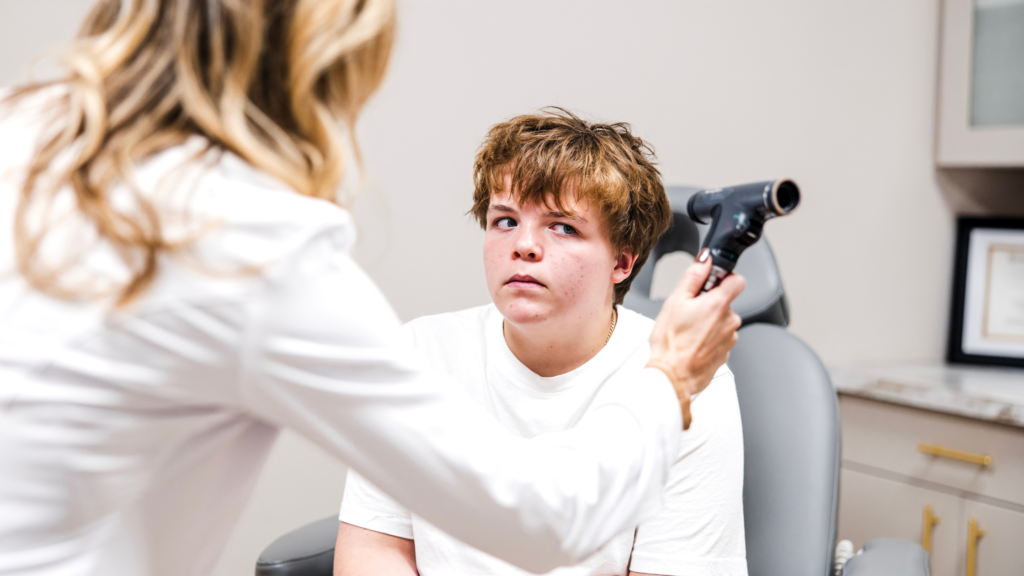
Here’s something that surprised us: most kids who end up needing headache care aren’t dealing with a sports injury at all. New schedules, less sleep, screen time, dehydration, and the general stress of a new school year are enough to trigger real, recurring headaches in kids — including migraines (which actually show up in kids more often than a lot of parents realize).
The Transcend team pointed out that persistent or recurring headaches in kids shouldn’t just be brushed off as “growing pains” or stress. If your child is getting headaches more than once or twice a month, missing school because of them, or describing symptoms like light sensitivity or nausea along with the pain, that’s worth a real conversation with a provider — not just another dose of children’s Tylenol and hoping it passes.
(Quick note: Transcend typically sees children ages 10 and up — think tweens through school-aged athletes all the way to the collegiate level. So if you’ve got a younger kiddo dealing with headaches, your pediatrician is still your first call, but you’re welcome to request a referral to Transcend.)
Psst! Did you know about the seemingly endless types of headaches and migraines that exist? Explore headache and migraine types and symptoms here.
Concussions: What Actually Counts as an Emergency
Then there’s the fall sports side of things. Between football, soccer, volleyball, and everything in between, this is prime concussion season. Knowing what to watch for matters more than most of us realize until we’re standing on the sideline panicking.
The clear, non-negotiable red flags are worth memorizing:
- Prolonged confusion
- Loss of consciousness (even briefly)
- Repeated vomiting, slurred speech
- Symptoms that are rapidly getting worse.
Any of those, and it’s straight to the ER — no waiting or “let’s see how they feel in the morning.”
But most concussions don’t look like that. More often it’s:
- A headache
- Some dizziness
- Feeling foggy
- Or just not being “themselves” after a hit or fall
Those symptoms still need a real evaluation — just not necessarily an ER visit. (I can almost hear my bank account sighing in relief.)
ER, Urgent Care, or a Specialist — Who Do You Actually Call?
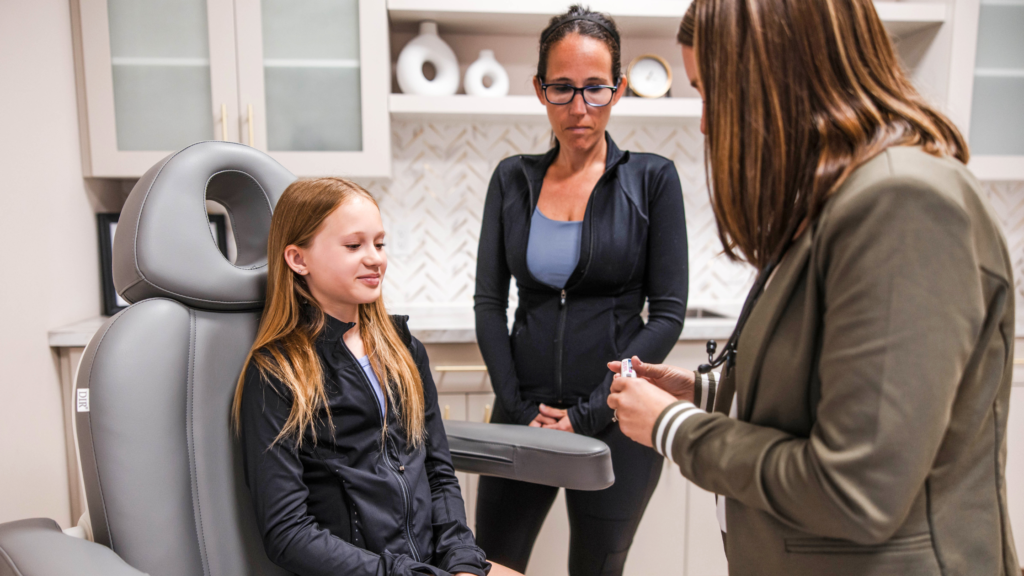
This was the part we wish we’d known years ago. If there are no emergency red flags, a headache and concussion specialist can often get your kid in faster than the ER, with a more thorough evaluation than a general urgent care visit.
A specialist clinic can often get you in same-day on weekdays for exactly this kind of situation.
Important note: Transcend doesn’t offer after-hours or weekend emergency care, so a concerning symptom on a Friday night still means the ER, not waiting until Monday.
Back-to-School Check You Might Be Missing: Baseline Testing
If your kid or kiddos play a contact sport, concussion baseline testing before the season starts is one of those things nobody tells you about until it’s almost too late to schedule it.
Here’s how it works:
- Visit the clinic for a quick pre-season assessment
- Concussion specialists evaluate for memory, balance and reaction time
- The specialist notes the results, so you have something (a baseline) to compare against if a concussion happens later
Late summer, right before fall practices kick off, is exactly the window to get it done.

Where to Turn
If any of this hits close to home — the late-night Googling, the sideline worry, the “is this normal?” spiral — there’s a full, in-depth guide covering concussion symptoms, testing, and recovery, plus everything above in more detail.
You can read the full Concussion Guide here, or learn more about concussion care services here.
About Transcend Headache Clinic
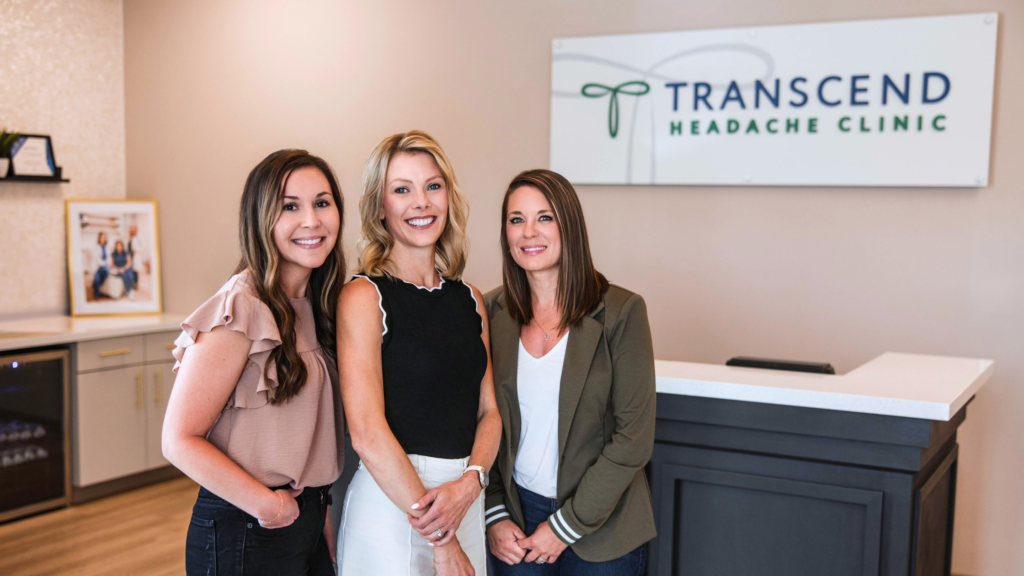
Transcend Headache Clinic is North Dakota’s first independent clinic dedicated entirely to headache and migraine care, located in West Fargo. Founded by Kyrie Severson, APRN, AQH, and Tiffany Eslinger, APRN, AQH — two neurology-trained nurse practitioners — Transcend offers personalized care for headaches, migraines, and concussions, including baseline concussion and specialized support for kids ages 10 and up through the collegiate level.
☑️ Book your Consultation or Baseline Testing Online
📧 [email protected]
📲 701.809.7650
📍 567 32nd Ave E, Suite 201 West Fargo, ND 58078